
World Coconut Day 2025
World Coconut Day is celebrated every year on September 2nd, established by the Asian and Pacific Coconut Community (APCC) in 2009, to highlight the importance of the coconut tree, popularly known as the “Tree of Life.” India is one of the largest producers of coconuts, with states like Kerala, Tamil Nadu, Karnataka and Andhra Pradesh leading in cultivation. Every part of the coconut tree has its value—tender coconut water and oil provide nutrition, while coir, handicrafts, cosmetics and even biofuel are produced from different parts of the tree. This multi-utility nature has earned it the name Kalpavriksha, or the wish-fulfilling tree. The coconut also holds a sacred place in Indian culture where it was being widely used in rituals and festivals. World Coconut Day therefore reminds us of the crop’s crucial role in supporting millions of farmers, ensuring food security, strengthening rural economies and providing opportunities for coconut-based entrepreneurship and sustainable development.
The programme began with a warm welcome address delivered by Ms. Durga Devi, a second-year undergraduate student. The event was organized by Ms. M. Mohana from the Department of Horticulture at the Institute of Agriculture Research and Technology. It was presided over by our esteemed Vice Chancellor, Dr. K. R. Sundaravaradarajan, a visionary leader whose keen interest and commitment to coconut cultivation were deeply admired by the younger minds of Institute of Agriculture and Research Technology. In his inaugural address, Dr. K.R. Sundaravaradarajan elaborated on various aspects of the coconut and from the beginning of its origin, extending to its cultural importance and highlighting its overall economic significance. He also emphasized his unique initiative “One Student, One Coconut”, a successful idea, he had earlier implemented in another educational institution. Further, he spoke about the government’s efforts to promote urban horticulture in major cities and underlined the importance of forestry and campus greenery. Concluding his speech, he motivated students to develop innovative ideas and encouraged them to focus on implementing those ideas in a strategic and impactful manner. Further he encouraged the undergraduate students to initiate the “One Student, One Coconut” idea
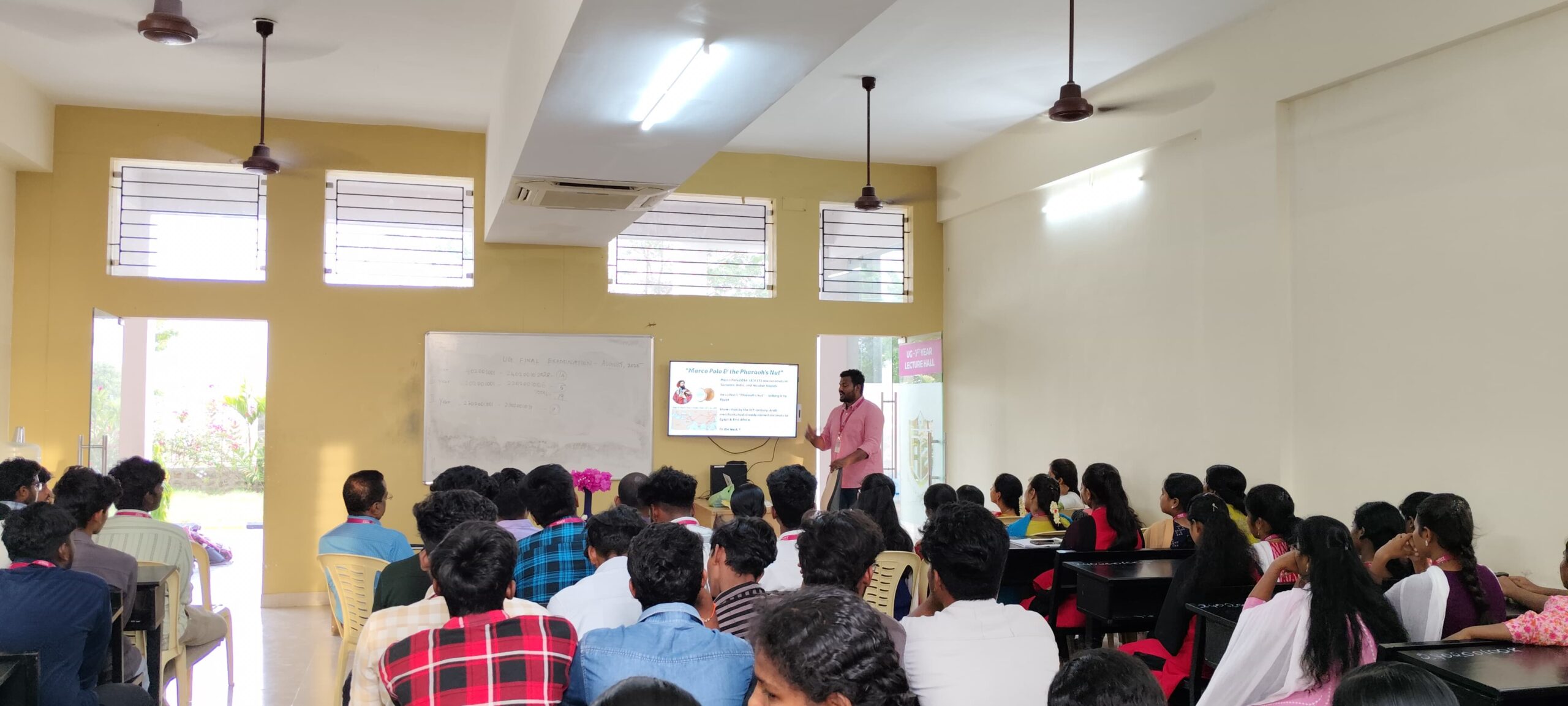
Following this, Mr. B. Haribalan, a postgraduate scholar from the Department of Agricultural Economics, delivered a presentation on the theme “Sustainable Coconut Farming for a Healthy Future”. His presentation began with the fundamental question of why the coconut is called a tree of myth?. Further he emphasized on its history and culture across the world. He explained how the coconut tree has long been a provider of food, drink, shelter, medicine, and livelihood, and how it stands as a symbol of prosperity, purity, and continuity of life. His talk drew on archaeological, epigraphic, etymological and scientific evidences to demonstrate the significance of the coconut. He concluded with the powerful message that the coconut is not merely a fruit but its history, heritage and hope, all growing on a single tree.
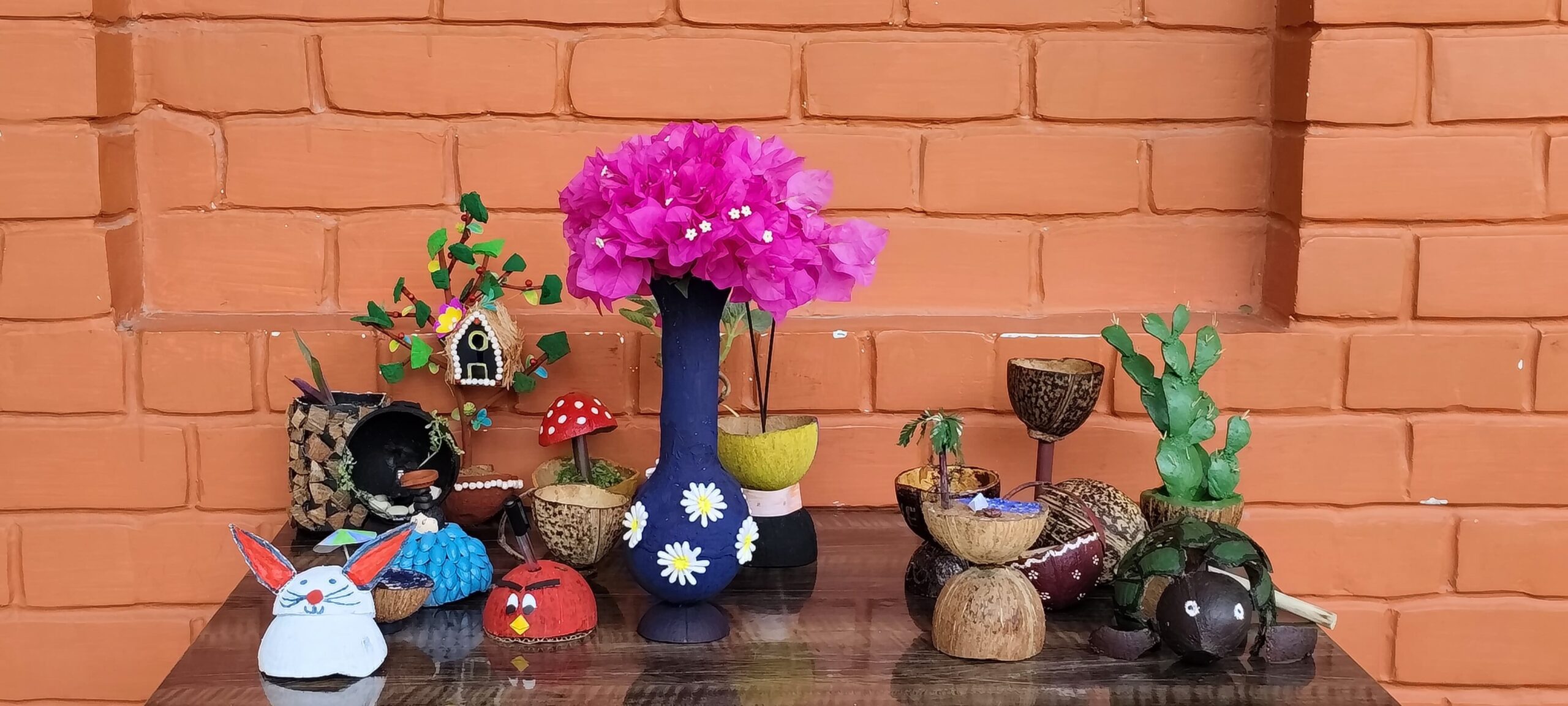
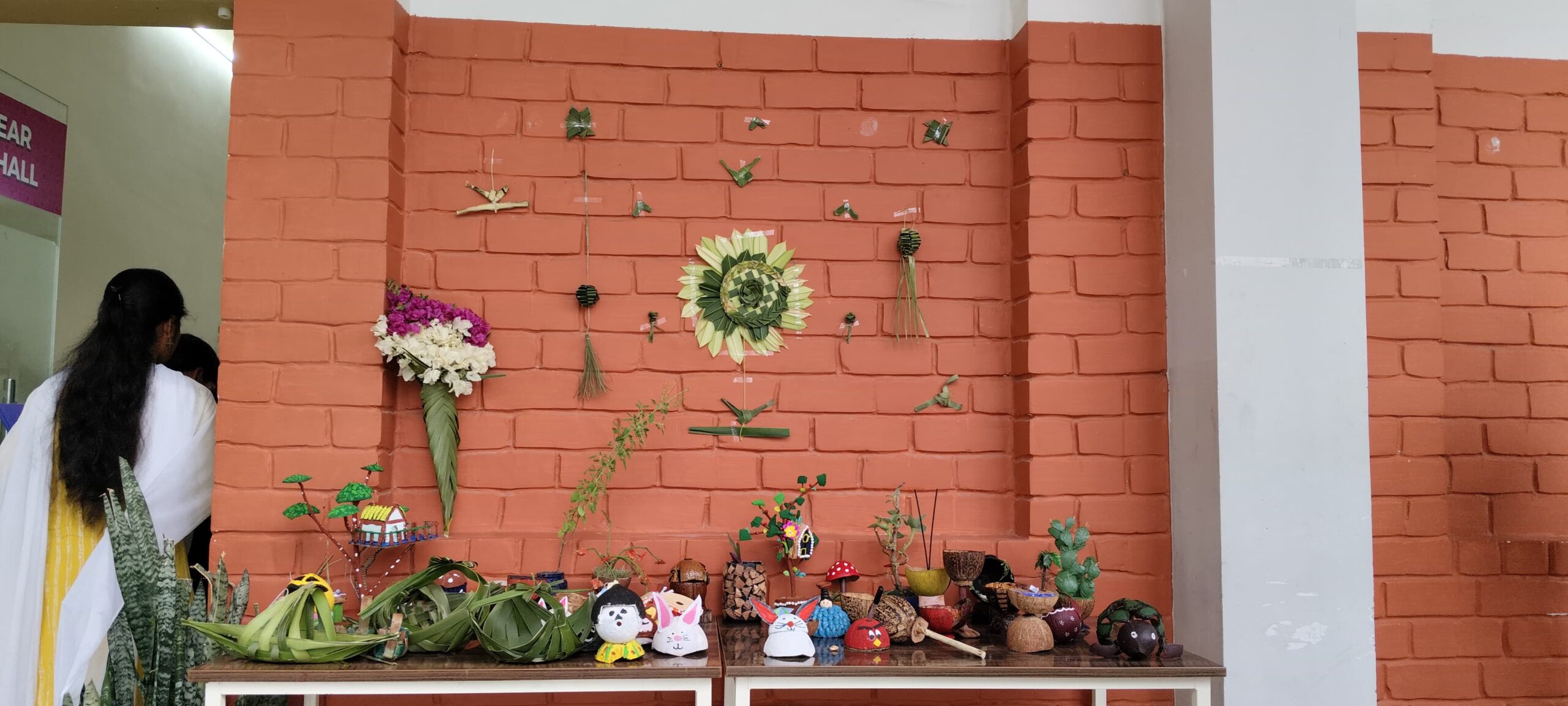
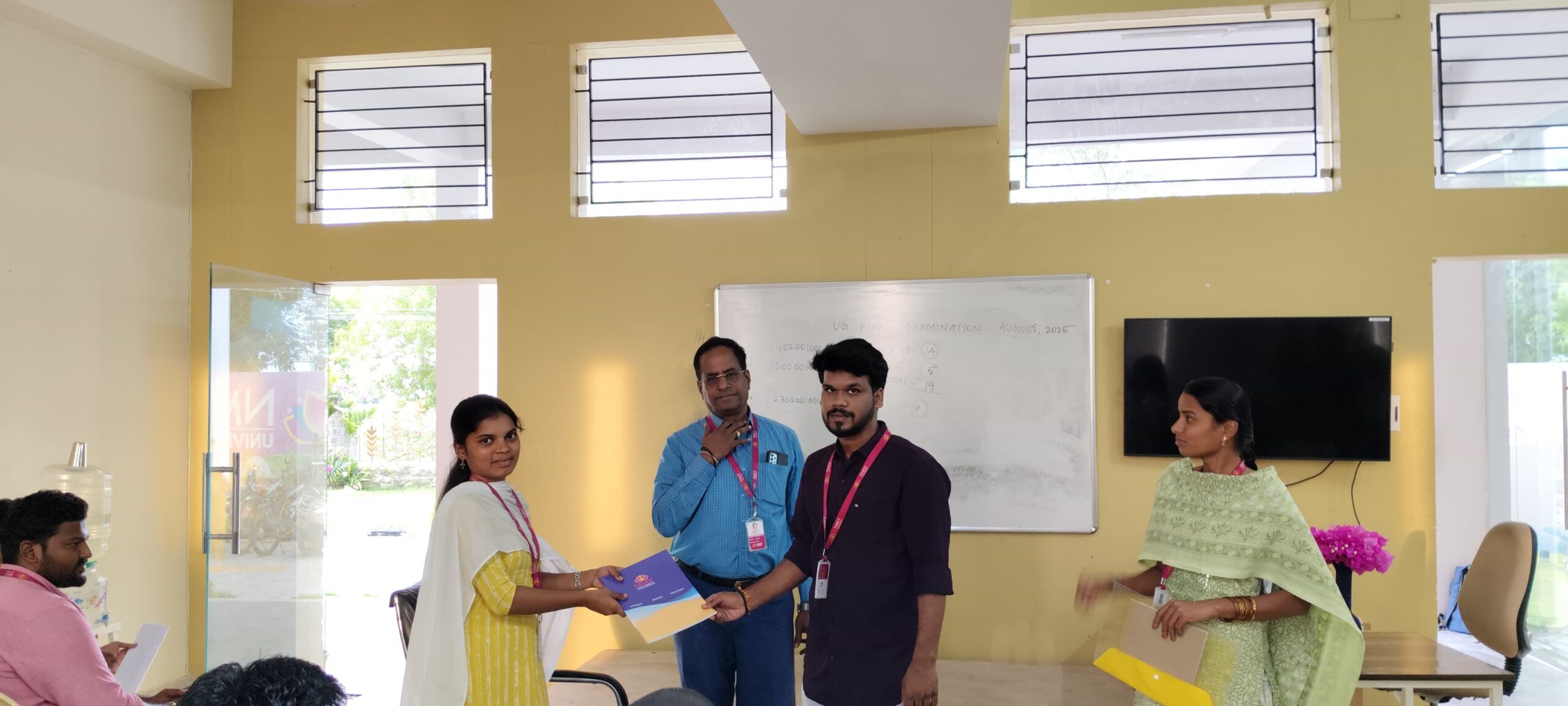
The programme concluded with a prize distribution for the undergraduate students, were they are recognized for their wonderfull creativity in crafting coconut-based products such as coconut shell crafts and leaf art. The event came to an end with a heartfelt vote of thanks proposed by Ms. E. Yamuna, a second-year undergraduate student. The celebration of World Coconut Day not only enriched knowledge but also inspired the students to recognize the coconut tree as more than just an agricultural crop. It is a symbol of resilience and continuity that has supported livelihoods for generations. By understanding its multifaceted uses—from food and health to shelter, crafts and eco-friendly products. The students gained a broader perspective on how this “Tree of Life” contributes to sustainable development. Beyond its economic and environmental value, the coconut also reflects cultural heritage, traditions and community bonding. Reminding us that true progress lies in harmonizing modern innovations with time-tested natural resources. Thus, the celebration became not merely an academic activity, but a meaningful reminder of our shared responsibility to protect, promote and wisely utilize the gifts of nature for the well-being of present and future generations.